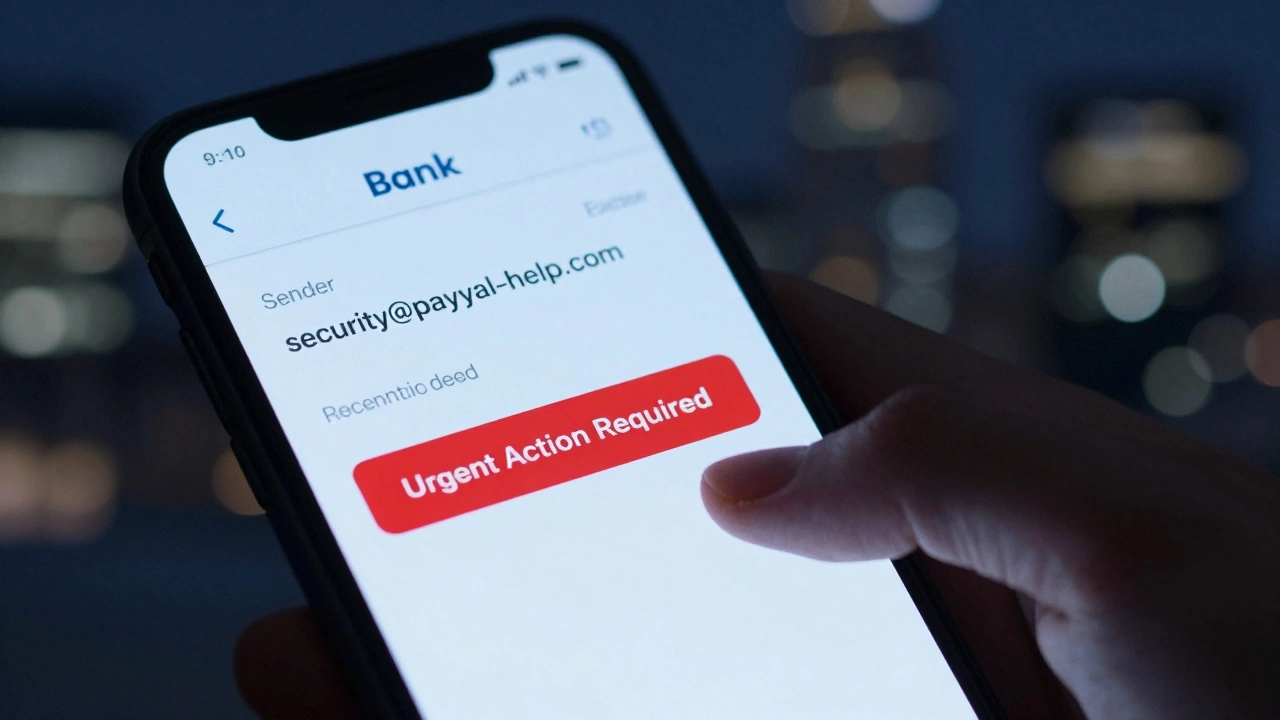
Every day, someone clicks the wrong link - not because they’re careless, but because it looked real. A message from their bank. A delivery notice. A password reset request. It’s not magic. It’s manipulation. And the people behind it are getting better at pretending to be someone you trust. You don’t need to be a tech expert to avoid falling for it. You just need to slow down. paris escort girl might sound like a distraction, but in the world of online scams, distractions are the weapon. The moment you feel a nudge to act fast, you’re already in the trap.
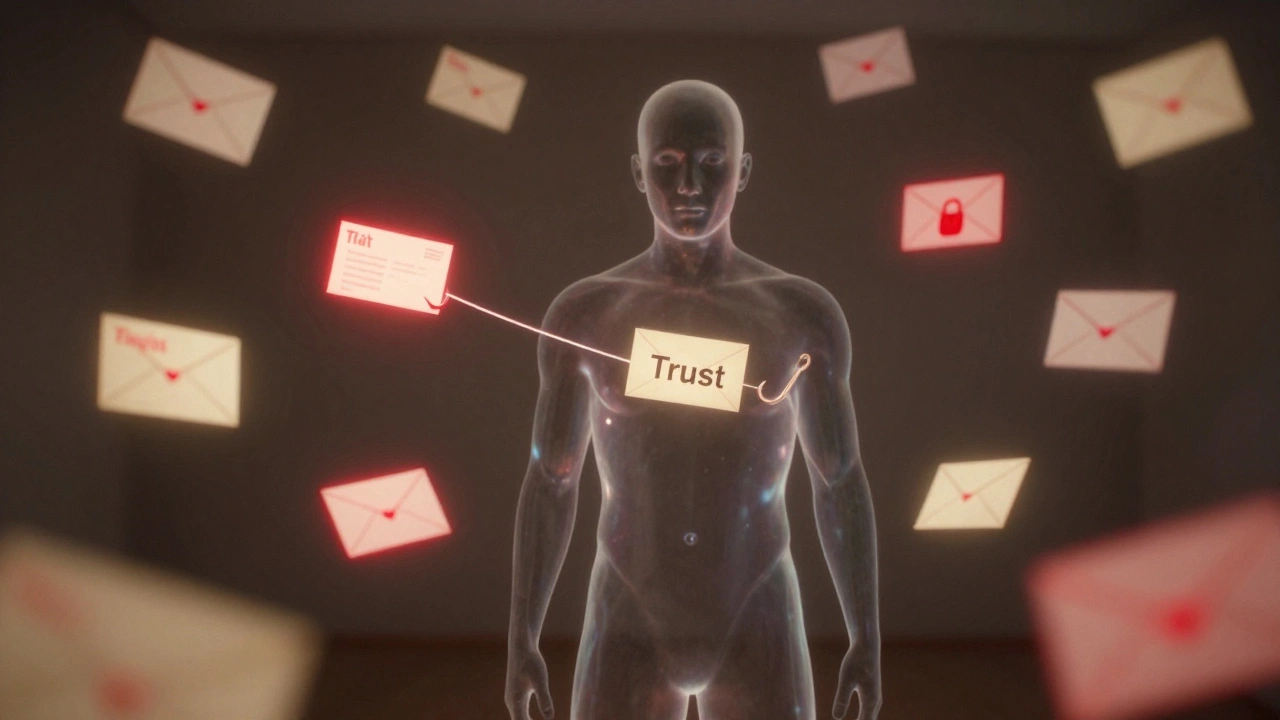
Phishing isn’t about hacking computers. It’s about hacking human behavior. The attacker doesn’t need your password right away. They just need you to believe their story. A fake invoice. A security alert. A job offer from a company you’ve never applied to. These aren’t random. They’re targeted. And they’re designed to make you feel urgency. Fear. Excitement. Something that overrides your common sense.
Why You’re the Target
You’re not being targeted because you’re gullible. You’re being targeted because you’re human. Scammers know you check your email on your phone while waiting in line. They know you’re tired after a long day. They know you don’t read every word before clicking. They don’t need to trick everyone. Just enough.
According to the 2025 Verizon Data Breach Investigations Report, over 70% of breaches started with a phishing email. That’s not a small number. That’s the majority. And the most dangerous part? Many of those emails passed through corporate filters. They looked legitimate. They used real logos. They copied the tone of real messages. One employee opened an email that looked like it came from their CFO - it even had the right signature. The only problem? The email address was [email protected]. Not [email protected]. But the name looked right. And the urgency? "Immediate action required." That’s all it took.
The Three Rules: Vigilance. Verify. Don’t Rush.
There’s no app that will save you. No antivirus that blocks every scam. The only defense is you. And it’s simple:
- Vigilance - Don’t assume anything is safe. Even if it looks like your boss, your bank, or your favorite service. Check the sender. Look at the full email address. Hover over links before clicking. If it’s too good to be true, it is. If it’s too urgent, it’s fake.
- Verify - If you’re unsure, don’t reply. Don’t click. Go directly to the official website. Type it yourself. Call the number on your card or statement. Contact your IT department. Don’t trust the message. Trust the source - the real one.
- Don’t Rush - Scammers count on you acting before you think. They use countdown timers. Fake deadlines. Threats of account suspension. Pause. Breathe. Walk away for five minutes. Come back. Ask yourself: "Would I do this if no one was pressuring me?" If the answer is no, you’re already winning.
One woman in London received an email that looked like it was from her credit card company. It said her card had been used to book a luxury hotel in Paris. She panicked. She clicked the link. She entered her login details. Only then did she realize the hotel booking never happened. The email was fake. The link led to a site that copied the bank’s design perfectly - right down to the font. But the URL was slightly off. And she didn’t notice until it was too late.
How to Spot a Fake Email (Even If It Looks Real)
Here’s what real companies never do:
- They never ask you to log in through a link in an email.
- They never threaten to close your account unless you act within 24 hours.
- They never send urgent requests from personal email addresses like [email protected] or [email protected].
- They never use poor grammar or awkward phrasing - unless it’s a poorly written scam. But many are now written by AI and sound flawless.
Look at the details. The sender’s display name might say "PayPal Support," but the actual email address? [email protected]. That’s not PayPal. That’s a free email account. A real company uses its own domain. Always.
And don’t trust the logo. Scammers can copy any image. The only thing that matters is the address. The domain. The URL. If it’s not exactly what you expect, it’s fake.
What to Do If You Already Clicked
If you clicked a link and entered your password, don’t panic - but act fast.
- Change your password immediately - on every account where you used the same one.
- Turn on two-factor authentication if you haven’t already.
- Check your bank statements and credit reports for unusual activity.
- Report the email to your email provider and to the company being impersonated.
- Call your bank or credit card provider to alert them.
And if you’re not sure whether you entered anything? Assume you did. Better safe than sorry.
The Paris Scort Trick - A Real Example
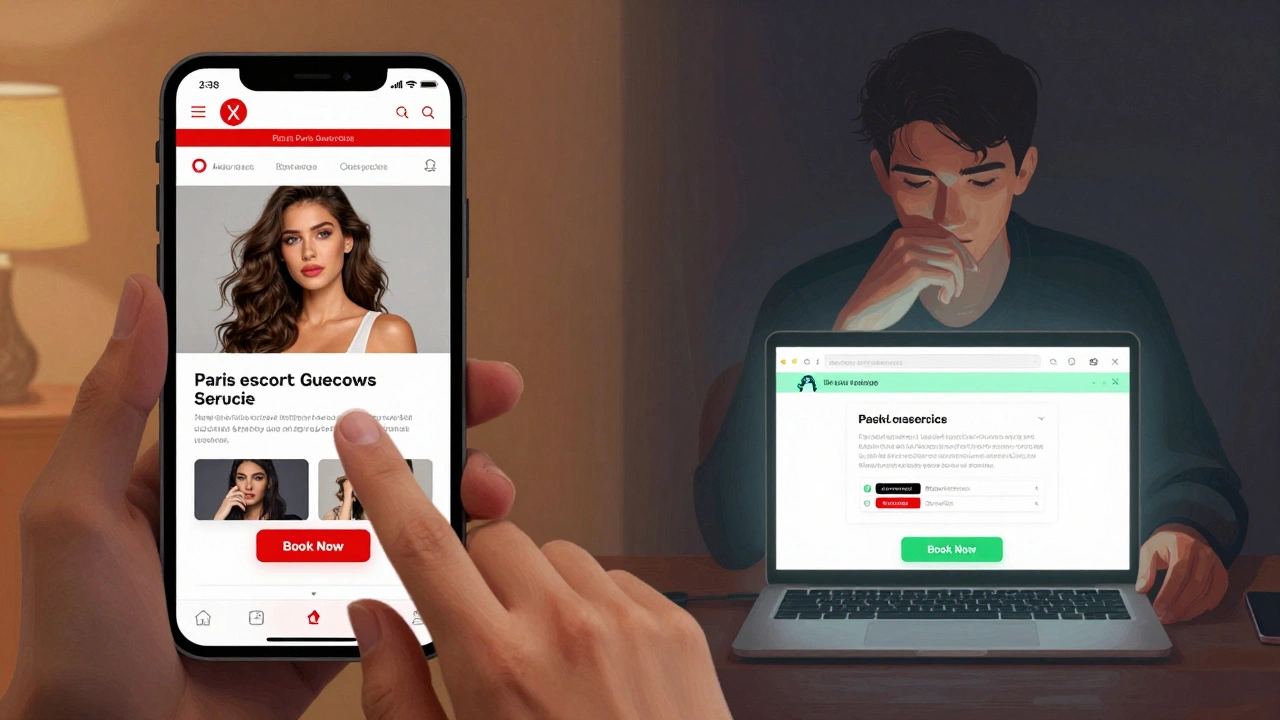
One of the most common phishing lures in 2025? Fake dating or escort services. Not because people are looking for them - but because the emotional trigger works. A message pops up: "You’ve been matched with a Paris scort who wants to meet you tonight." The link leads to a site that looks like a real escort directory. It has photos. Testimonials. Booking options. But it’s a trap. Enter your email? You get spam. Enter your credit card? It’s stolen. Enter your login details? Your accounts are compromised.
These scams don’t target everyone. They target people who are lonely. Tired. Curious. And in a hurry to feel something. That’s why they work. And that’s why you need to be more careful than ever.
How to Train Yourself to Spot Phishing
You can’t just rely on instinct. You need habits.
- Set up a "suspicious email" folder. Every time something feels off, move it there. Review it later with a clear head.
- Use a password manager. It won’t auto-fill on fake sites. If your password doesn’t fill in, that’s a red flag.
- Enable multi-factor authentication everywhere. Even if they get your password, they still can’t log in.
- Teach your family. Your parents. Your siblings. Scammers target older people the most - because they’re less likely to question a message that looks official.
One father in Toronto noticed his teenage daughter was getting emails about "free iPhone giveaways" from "Apple Support." He didn’t yell. He didn’t take her phone. He sat down with her and showed her how to check the sender’s address. Two weeks later, she caught a fake Amazon email - and flagged it before clicking. That’s how you win.
Final Thought: The Real Danger Isn’t the Hacker - It’s the Habit
Most people think phishing is a problem for other people. But it’s not. It’s a problem for anyone who rushes. For anyone who assumes. For anyone who doesn’t pause.
You don’t need to be paranoid. You just need to be patient. Take a breath. Look closer. Ask one question: "Why now?" If the answer is because they said so - walk away.
And if you ever feel that pull to click, to respond, to act - remember: the safest choice is always the one you don’t make in a hurry.
paris.escort
paris scort